Agentic Robot Learning
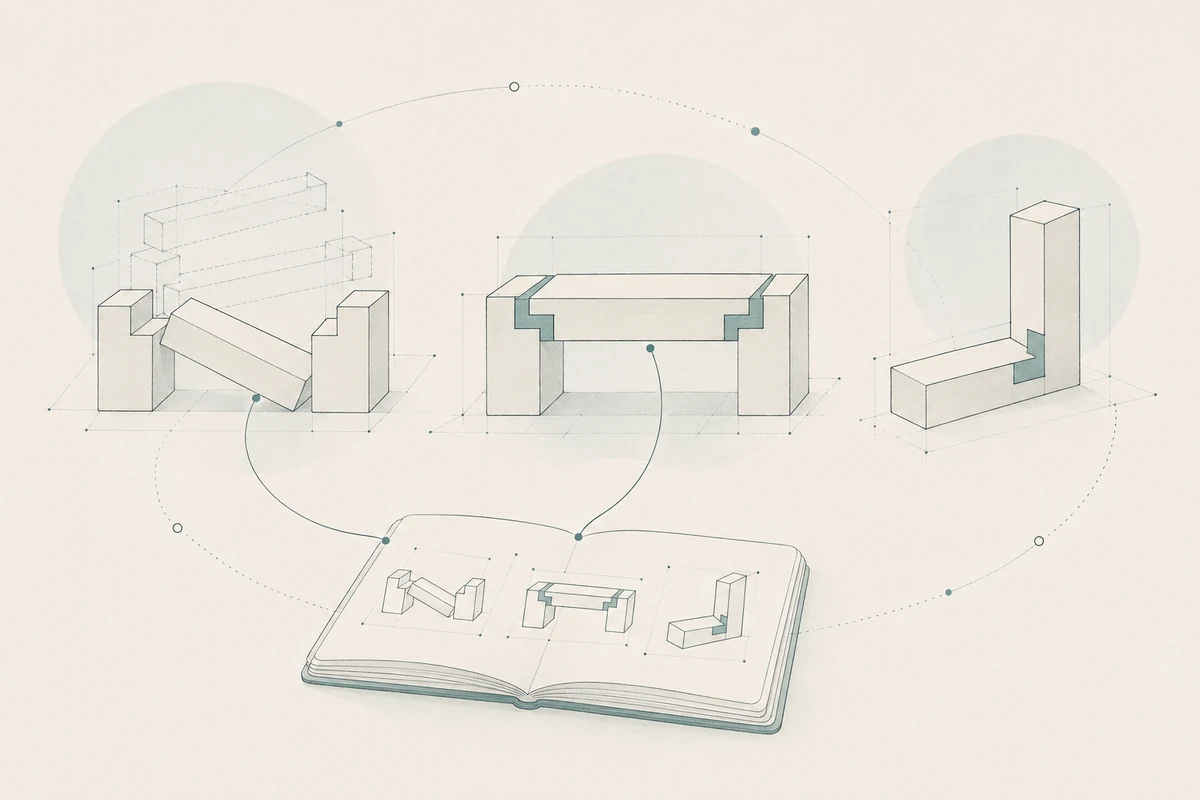
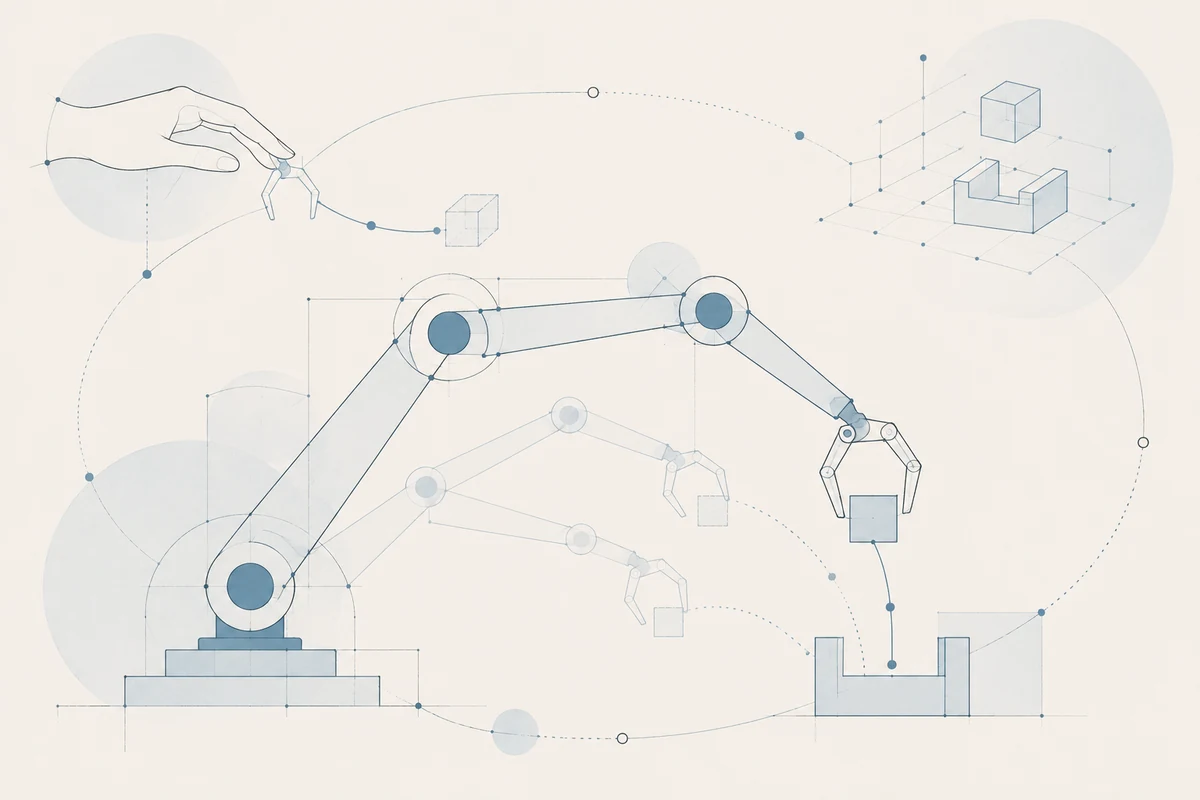
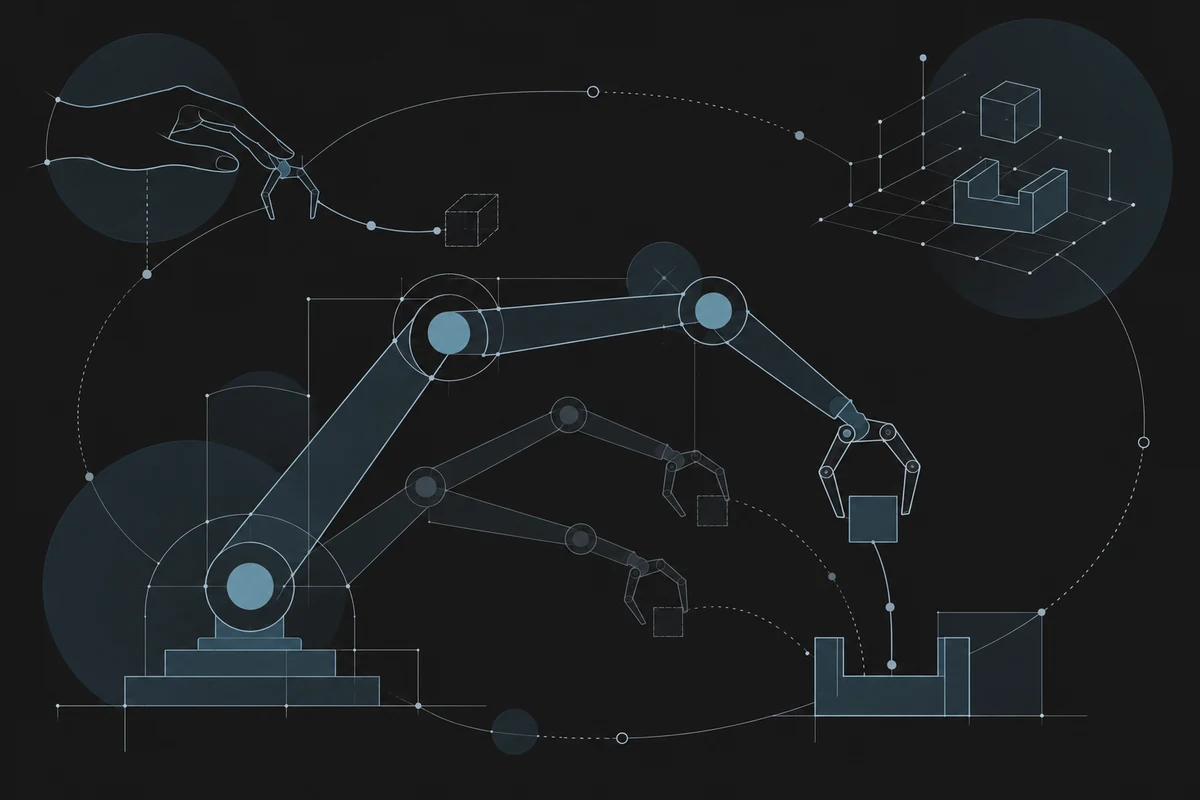
How agents direct their own learning to acquire reliable, reusable robot skills.
I’m Guozheng Ma, a PhD student at Nanyang Technological University, advised by Dacheng Tao. Previously, I completed my master’s studies at Tsinghua University and my bachelor’s degree at Hunan University.
My research focuses on deep reinforcement learning: how agents can learn efficiently, scale, and keep adapting in open-ended environments. I study optimization, network sparsity, plasticity, and the interplay between offline knowledge and online experience. More broadly, I’m interested in RL as a way to understand and develop intelligence.


Greatness cannot be planned, so I play with joyful explorations!
How agents direct their own learning to acquire reliable, reusable robot skills.
How new experience and feedback improve an agent’s knowledge, strategies, and skills.
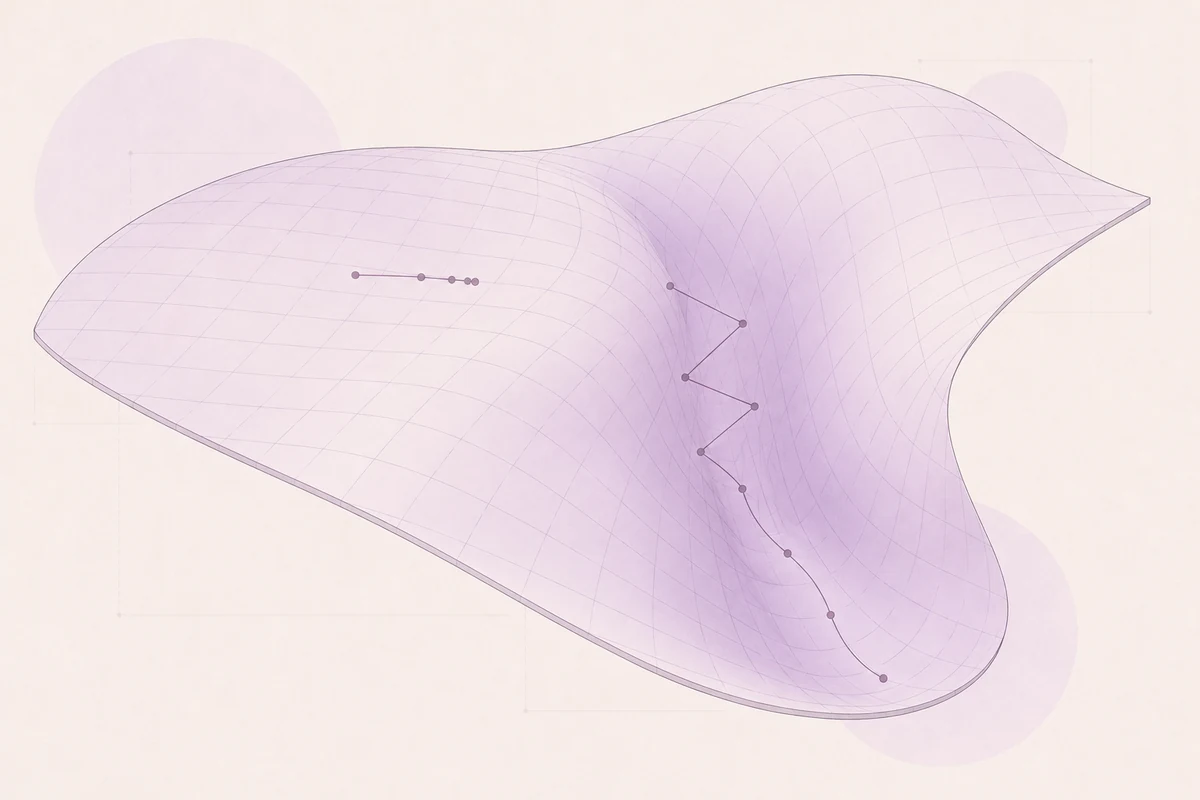
How learning evolves, why it stalls or degrades, and what enables it to scale.
Preprint
2026
Discovering successful behavior does not guarantee that a policy learns to reproduce it. REAP reallocates an existing replay budget toward high-return experience, improving learning across 48 control tasks without increasing interaction or update budgets.
Technical report
2026
A coding agent requests robot demonstrations and simulation on demand, developing code policies through real-world feedback. The resulting programs are frozen for evaluation and run without a human or coding agent in the loop.
NeurIPS
2026
Let deployment evidence guide how online learners use and adapt their offline priors.
ICML
2026
Helping residual RL critics learn from a pretrained policy and recognize small action corrections.
ICML
2025
Randomly pruning a network before training improves how deep RL scales.
IJCV
2025
A framework for understanding how augmented data supports visual reinforcement learning.
Preprint
2025
Module-specific sparse training complements architectural improvements by adapting training strategies to the different roles inside deep RL networks.
ICLR
2024
Understanding when and where visual RL loses its ability to keep learning.
NeurIPS
2023
Balancing visual diversity and training stability with Rand PR and CycAug.